November 12, 2026
A reliable furnace is essential for maintaining a comfortable home during colder months. When heating equipment begins making unusual noises, producing inconsistent temperatures, or operating less efficiently, homeowners may struggle to identify the underlying problem. Furnaces contain numerous mechanical, electrical, and safety components that must work together to distribute warm air throughout a property. Identifying a malfunction requires more than examining visible symptoms or replacing individual parts. Professional technicians follow a systematic evaluation process to determine equipment conditions, identify potential problems, and recommend appropriate heating repairs. Understanding how professionals assess furnace performance can help homeowners recognize the importance of accurate diagnostics, address developing concerns, and make informed decisions about maintaining their heating systems.
Reviewing Furnace Performance and Operating History
A professional furnace assessment typically begins with a discussion about the system's recent performance. Technicians may ask whether certain rooms feel colder than others, whether the furnace cycles frequently, or whether energy bills have increased unexpectedly. They also consider unusual sounds, unfamiliar odors, and changes in how quickly the home reaches the desired temperature. These observations provide valuable information about potential problems and help technicians determine which components require closer examination.
Maintenance records and equipment age provide additional context during the evaluation. A furnace that receives consistent maintenance may experience different problems than one that has gone several years without servicing. Technicians review previous repairs, replaced components, and recurring concerns to identify patterns. Gathering this background information allows professionals to approach heating repairs with a clearer understanding of the equipment's condition and operating requirements.
Inspecting Furnace Components for Visible Damage
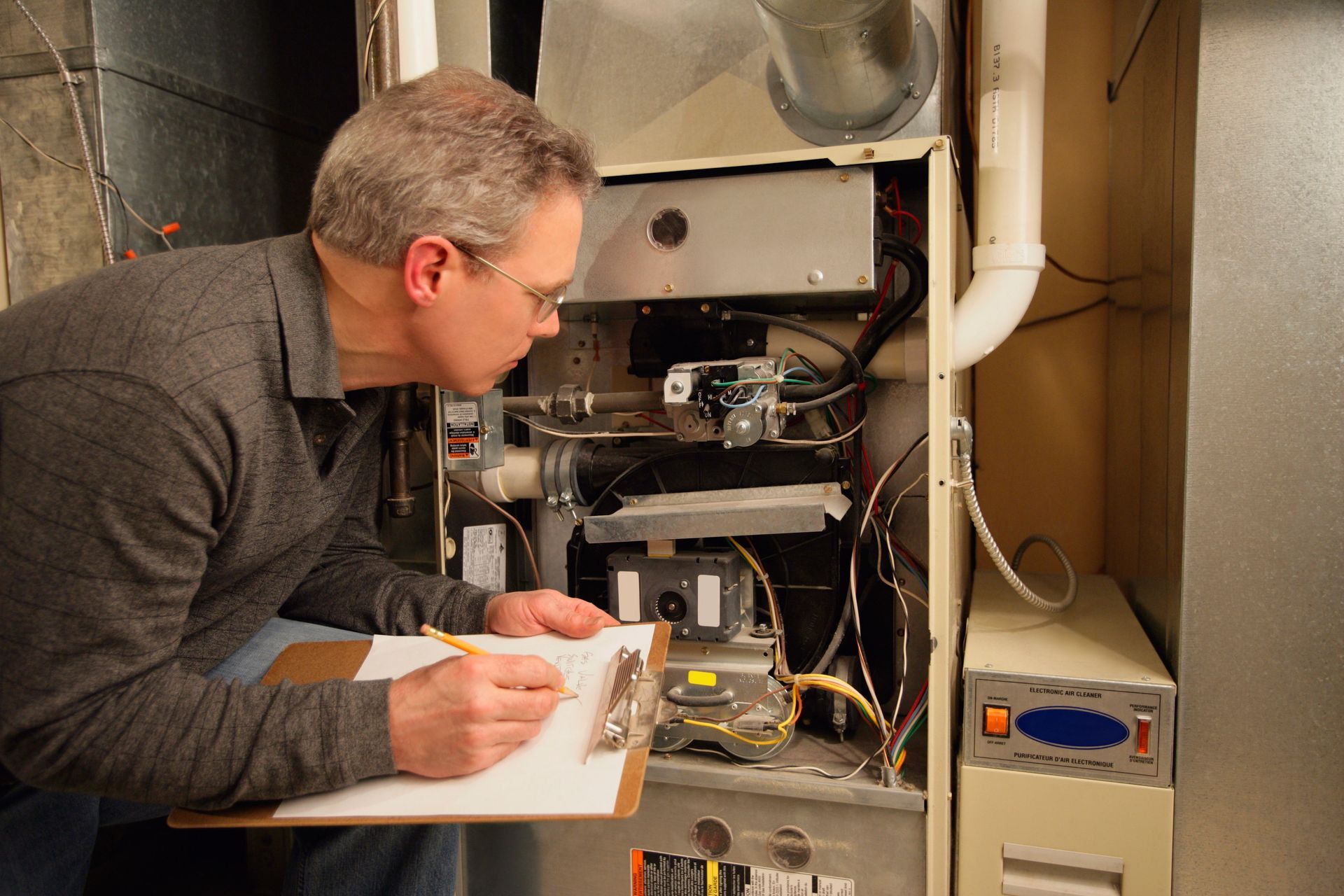
After reviewing the furnace's operating history, technicians perform a visual inspection of accessible components. They examine the cabinet, wiring connections, blower assembly, and surrounding equipment for signs of deterioration. Loose connections, corrosion, accumulated debris, and worn components may indicate problems affecting reliability. Technicians also look for evidence of moisture, overheating, or unusual vibration. Although visible conditions do not always reveal the complete cause of a malfunction, they can identify areas requiring additional testing.
The inspection may include examining accessible burners, the ignition assembly, and the heat exchanger. Cracks or other heat exchanger defects can create serious safety concerns, particularly when combustion gases are involved. Professionals use appropriate inspection methods and equipment to evaluate suspected damage rather than relying exclusively on visual observations. This examination helps technicians distinguish routine wear from conditions that could interfere with safe furnace operation.
Testing Thermostat Operation and Electrical Connections
A furnace may appear to malfunction when the underlying issue involves its thermostat or electrical controls. Technicians evaluate whether the thermostat accurately measures indoor temperature and communicates properly with the heating equipment. Incorrect settings, damaged wiring, or faulty controls can prevent the furnace from starting or cause unpredictable operation. Professionals may compare thermostat readings with independent measurements and observe how the system responds to temperature adjustments.
Electrical testing helps identify problems that may not be visible during an initial inspection. Technicians measure voltage, examine control board connections, and evaluate components according to manufacturer specifications. Faulty switches, damaged wiring, and malfunctioning sensors may interrupt normal operation or trigger protective shutdowns. Accurate electrical diagnostics allow professionals to recommend heating repairs that address the source of the malfunction rather than replacing functioning components unnecessarily.
Evaluating Airflow and Heat Distribution
Consistent airflow is necessary for a furnace to heat a home effectively. When airflow becomes restricted, certain rooms may remain uncomfortable while equipment operates longer than expected. Technicians inspect air filters, accessible duct connections, supply registers, and return air pathways for conditions that interfere with circulation. Excessive dust accumulation, blocked vents, and damaged ductwork can contribute to uneven temperatures. Professionals also evaluate whether the blower motor distributes sufficient air throughout the system.
Airflow measurements and temperature readings provide additional information about furnace performance. Technicians may compare the temperature of air entering and leaving the furnace to determine whether it operates within the manufacturer's specified range. They can also assess static pressure to identify restrictions within ductwork or filtration components. These measurements help distinguish airflow problems from issues involving heat production, allowing professionals to recommend heating repairs or adjustments that address comfort concerns.
Examining Ignition Systems and Combustion Performance
Gas furnaces rely on properly functioning ignition and combustion components to produce heat safely. Technicians inspect the ignition system, burners, flame sensor, and associated controls to determine whether the equipment starts and operates correctly. Dirty burners, deteriorating ignition components, or faulty sensors may prevent reliable heating or cause repeated shutdowns. Professionals observe the startup sequence and check whether safety controls respond appropriately throughout operation.
When appropriate, technicians conduct combustion testing to evaluate how safely and efficiently the furnace burns fuel. They may measure combustion gases, inspect venting connections, and assess whether exhaust products are directed outside. Problems involving ventilation, fuel delivery, or combustion air can contribute to inefficient operation and hazardous conditions. Carbon monoxide concerns require particular attention because the gas is colorless and odorless. Specialized instruments help professionals identify abnormalities requiring corrective action.
Checking Safety Controls and System Efficiency
Modern furnaces incorporate safety devices designed to protect equipment and occupants when abnormal conditions occur. Technicians evaluate components such as high-temperature limit switches, pressure switches, and flame-monitoring controls. These devices can interrupt furnace operation when overheating, venting problems, or ignition failures are detected. Repeated shutdowns may indicate that a protective control is responding to another underlying problem. Rather than simply resetting equipment, professionals investigate the conditions responsible for activating these safeguards.
Efficiency assessments also help technicians understand whether the furnace operates as expected. They review burner operation, blower performance, temperature measurements, and maintenance conditions to identify potential improvements. According to This Old House, with consistent upkeep, routine servicing, and regular cleaning, a furnace can remain functional for approximately 15 to 30 years. Although actual service life depends on equipment quality and operating conditions, regular evaluations and timely heating repairs can help address developing concerns before they become more serious.
Determining Appropriate Repairs and Maintenance Recommendations
Once diagnostic testing is complete, technicians review their findings to determine which corrective actions are necessary. Some problems involve straightforward solutions, such as replacing a faulty sensor, correcting an electrical connection, or cleaning a restricted component. Other concerns require more substantial work involving motors, control boards, or combustion equipment. Professionals consider the furnace's age, overall condition, replacement part availability, and repair costs before presenting recommendations.
Technicians may also explain preventive maintenance measures that can reduce the likelihood of future problems. Recommendations might include replacing filters regularly, keeping vents unobstructed, scheduling seasonal inspections, and monitoring changes in furnace operation. When multiple components show significant wear, professionals may discuss whether continued heating repairs remain practical compared with equipment replacement. Clear explanations of diagnostic results and available options help homeowners make informed decisions about long-term comfort.
Verifying Furnace Operation After Completing Repairs
After completing recommended work, technicians test the furnace to confirm that the original problem has been resolved. They may operate the equipment through a complete heating cycle, observe ignition and shutdown sequences, and verify that the thermostat responds correctly. Additional checks can include measuring airflow, monitoring operating temperatures, and confirming that repaired electrical components function within acceptable parameters. This verification process helps identify remaining concerns before service is considered complete.
Professionals also review relevant safety functions and explain maintenance considerations homeowners should monitor. If the furnace requires additional service or replacement planning, technicians can outline the next steps and discuss warning signs that warrant attention. Homeowners benefit from understanding what work was performed and how to recognize changes in system performance. Thorough post-repair testing provides greater confidence in equipment reliability while establishing realistic expectations for future maintenance.
Professional furnace assessments involve examining equipment history, mechanical components, electrical controls, airflow, combustion performance, and safety systems. By evaluating these interconnected elements, technicians can identify heating problems and recommend solutions that support comfort, efficiency, and reliable operation. Accurate diagnostics also help homeowners avoid unnecessary component replacements and make informed decisions about maintaining aging equipment. Whether a furnace experiences inconsistent temperatures, unusual noises, or repeated shutdowns, timely heating repairs can help restore dependable performance and prevent developing problems from becoming more disruptive. For professional furnace inspections, reliable service, and assistance with your home's heating needs, contact 5 Horners Heating & Air Conditioning today.